UHP Pressure Rate is not everything in the UHP Cleaning Operation
8月 17, 2026Selection of Heat Exchanger Tube Diameter for High-Pressure& UHP Hydro-Jetting Industrial Cleaning
8月 22, 2026A Comprehensive Analysis of Safety Awareness &Practices in UHPHydro-Jetting Cleaning Operations
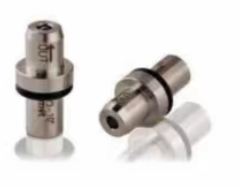
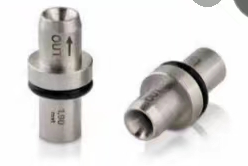
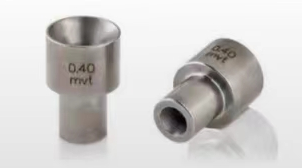
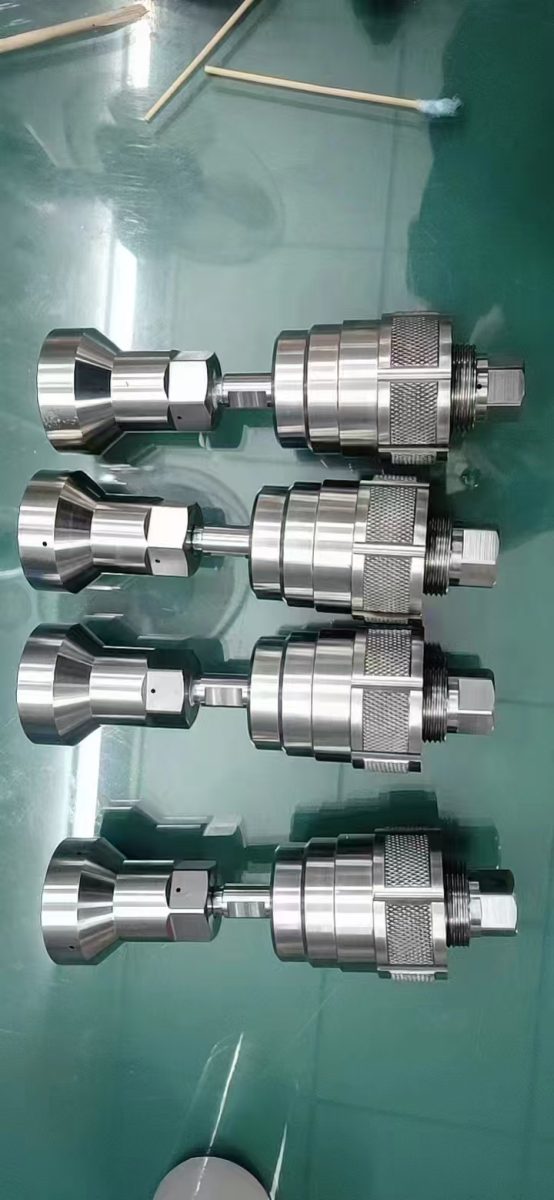
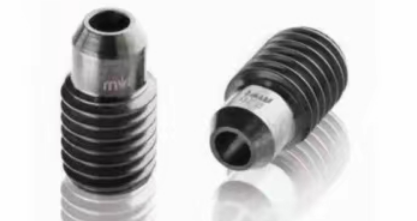
Safety constitutes a foundational imperative in industrial UHP water-Blasting cleaning operations, directly influencing operator well-being&operational integrity. While the nozzle—whether conventional gem, sapphire screw-in (M3–M12, including M8*), sapphire insert (e.g., Hammelmann A-R-types), sapphire fan-jet, or ceramic variants—serves as the most visible and functionally critical component,
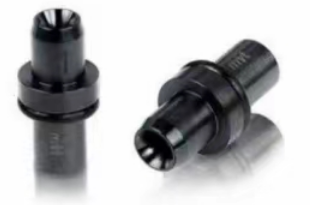
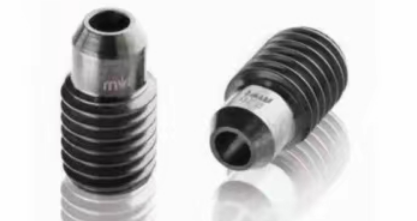
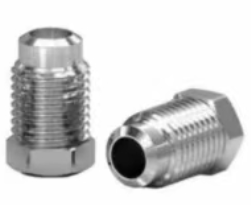
the most frequently underestimated hazards reside not at the discharge point, but within the high- and ultra-high-pressure hose assemblies and their connecting fittings. These Ultra-high Pressure hydro Jet cleaning elements form integral links in the energy transmission chain;
due to sustained mechanical stress, cyclic loading, and environmental exposure,40000psi UHP water-jetting fitting&hose represent the most susceptible and commonly overlooked failure points in the high pressure water jet Water–ブラスター Equipment system.
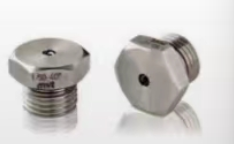
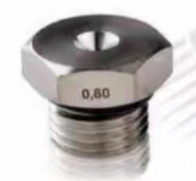
From a professional safety engineering perspective, risk extends across the entire pressure train: from the UHP Hydro-Jetting Pressured Triple
Pump through hoses, couplings, rotary connectors, and control interfaces.
Critical vulnerabilities include mismatched pressure ratings among UHP加圧大流量ハイドロジェット3000Bar 3連プランジャーポンプ 清掃機器部品, undetected wear or fatigue in hoses and fittings, improper handling (e.g., kinking, excessive bending, or axial pulling), and loss of hose containment during operation—all of which pose significant risks to personnel and 3000バール 3連プランジャーポンプ 水–ブラスター system.
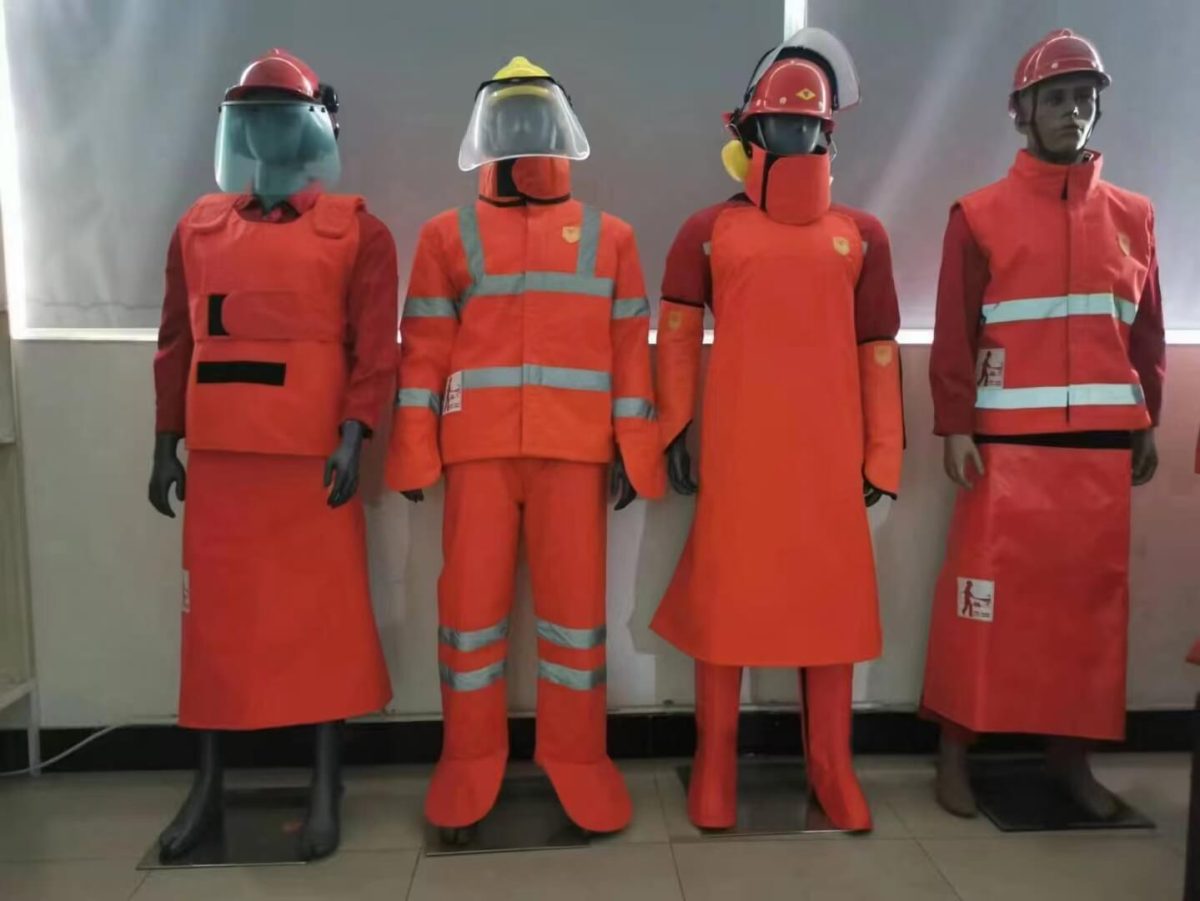
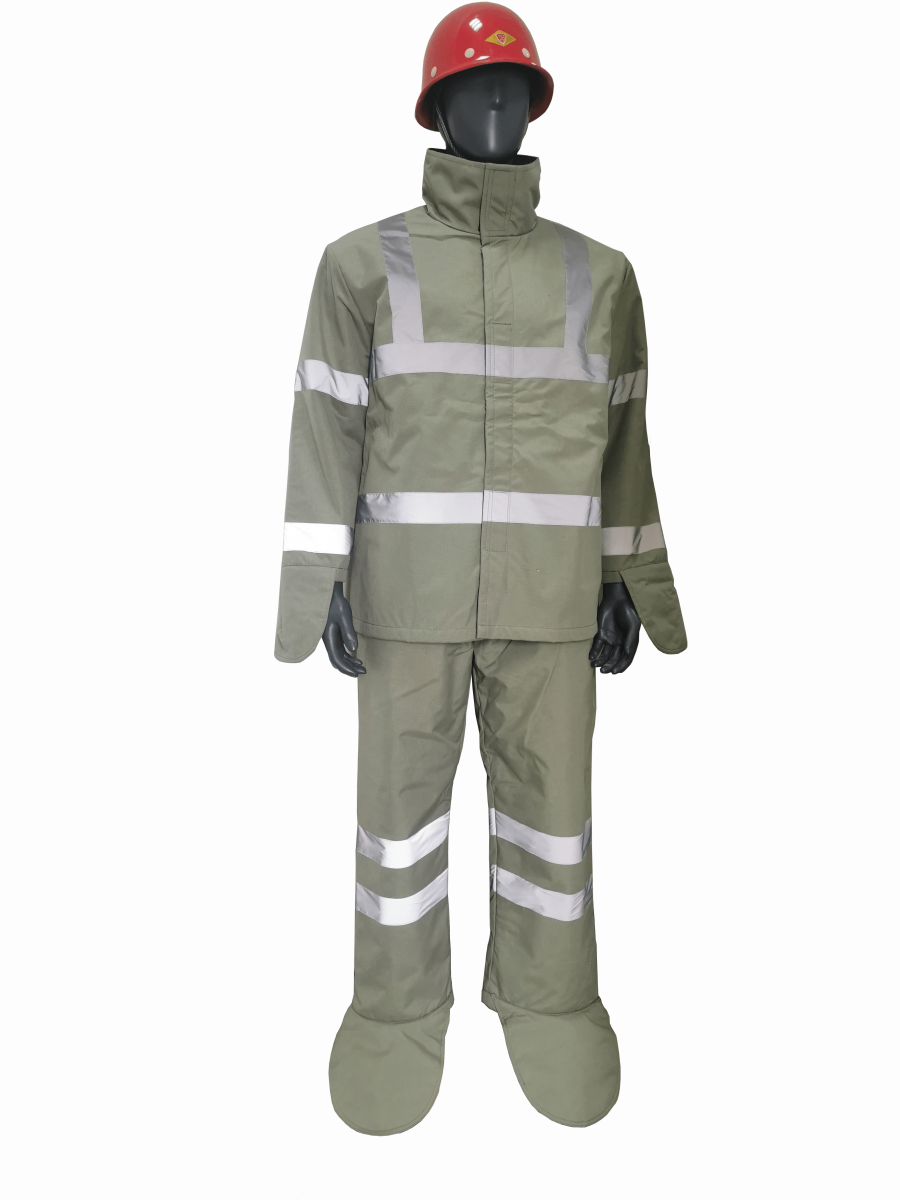
Mitigating these hazards requires a proactive, system-wide safety management approach—not reliance on reactive operator responses alone.
Prior to initiating any UHP Water Jet Blasting Paint Removal cleaning Water-blasting Job or any other ultra-high-pressure hydro-Jetting operation,the following procedural safeguards must be rigorously implemented:
1. Verify component compatibility: Confirm that all high-pressure water jet components—including hoses, fittings, and UHP end tools—are certified for the intended operating pressure,chemical environment, temperature range, and duty cycle. Conduct visual and tactile inspections for signs of wear, abrasion, bulging, or deformation; replace any compromised components immediately.
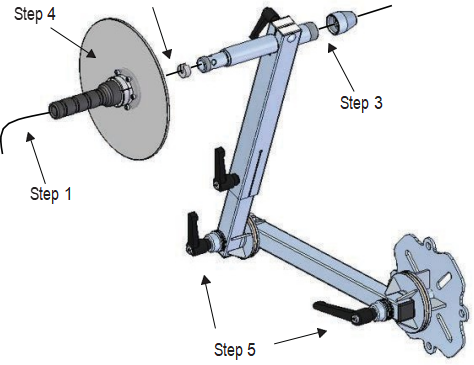
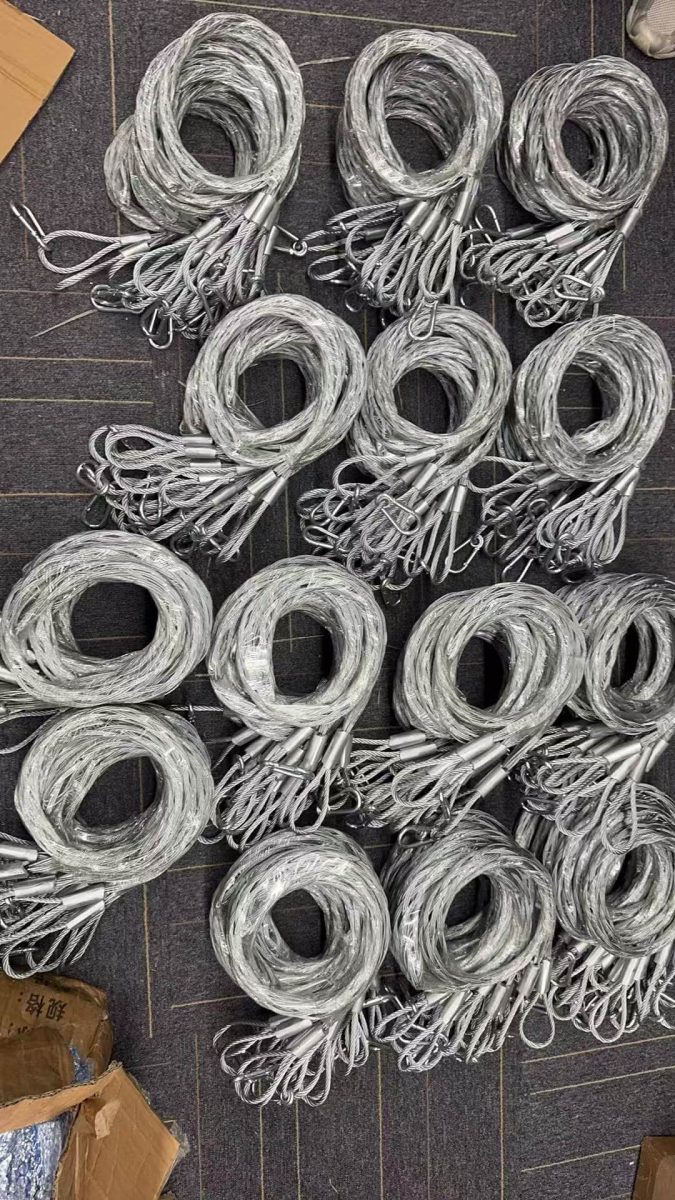
2. Review and validate maintenance documentation: Cross-check service logs and inspection records for each critical component. Resolve any discrepancies, missing entries, or ambiguous timestamps through traceable verification and formal documentation updates.
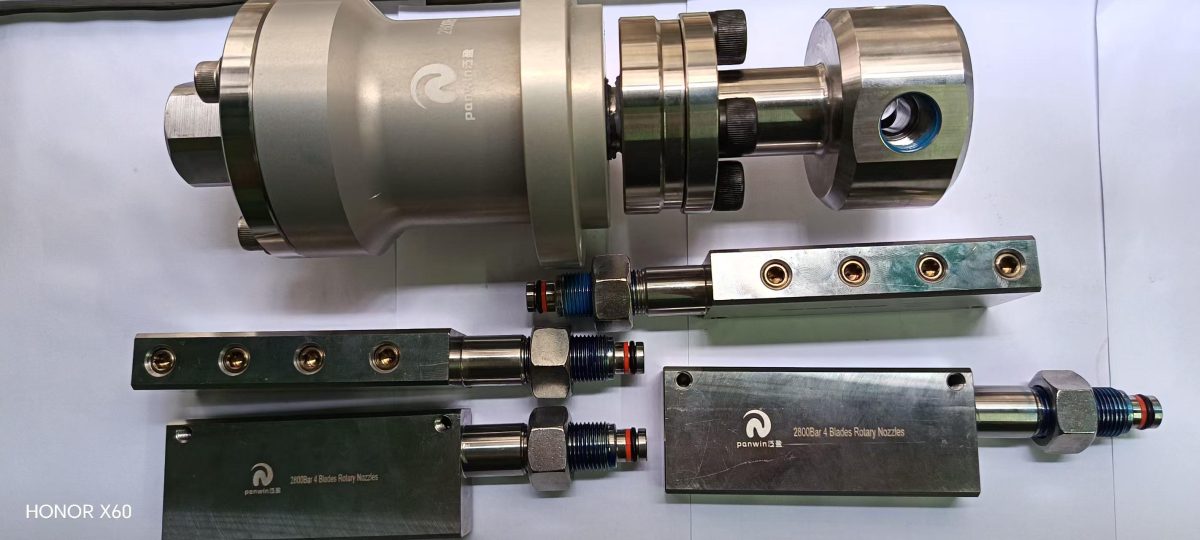
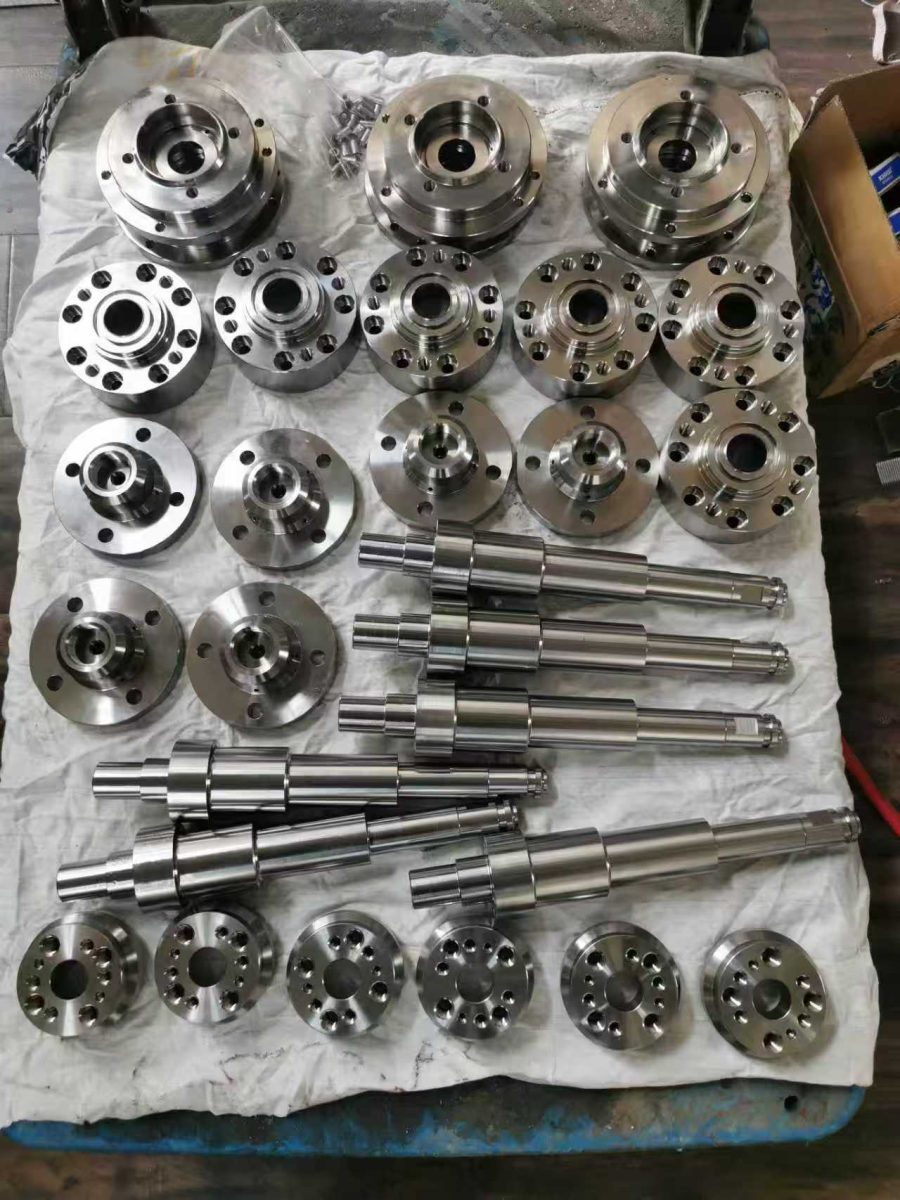
3. Establish controlled work zones: Implement physical barriers, signage, and access restrictions to isolate the operational area, thereby minimizing exposure to potential hose whip, fluid ejection, or uncontrolled energy release.
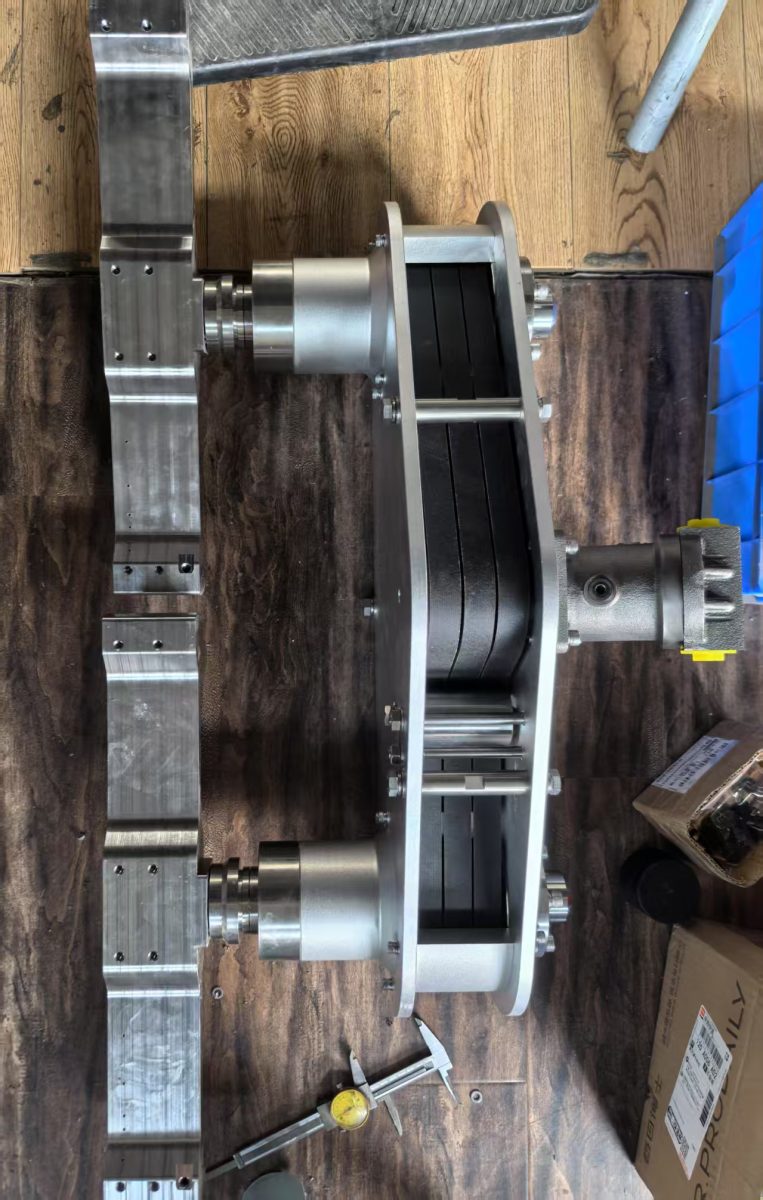
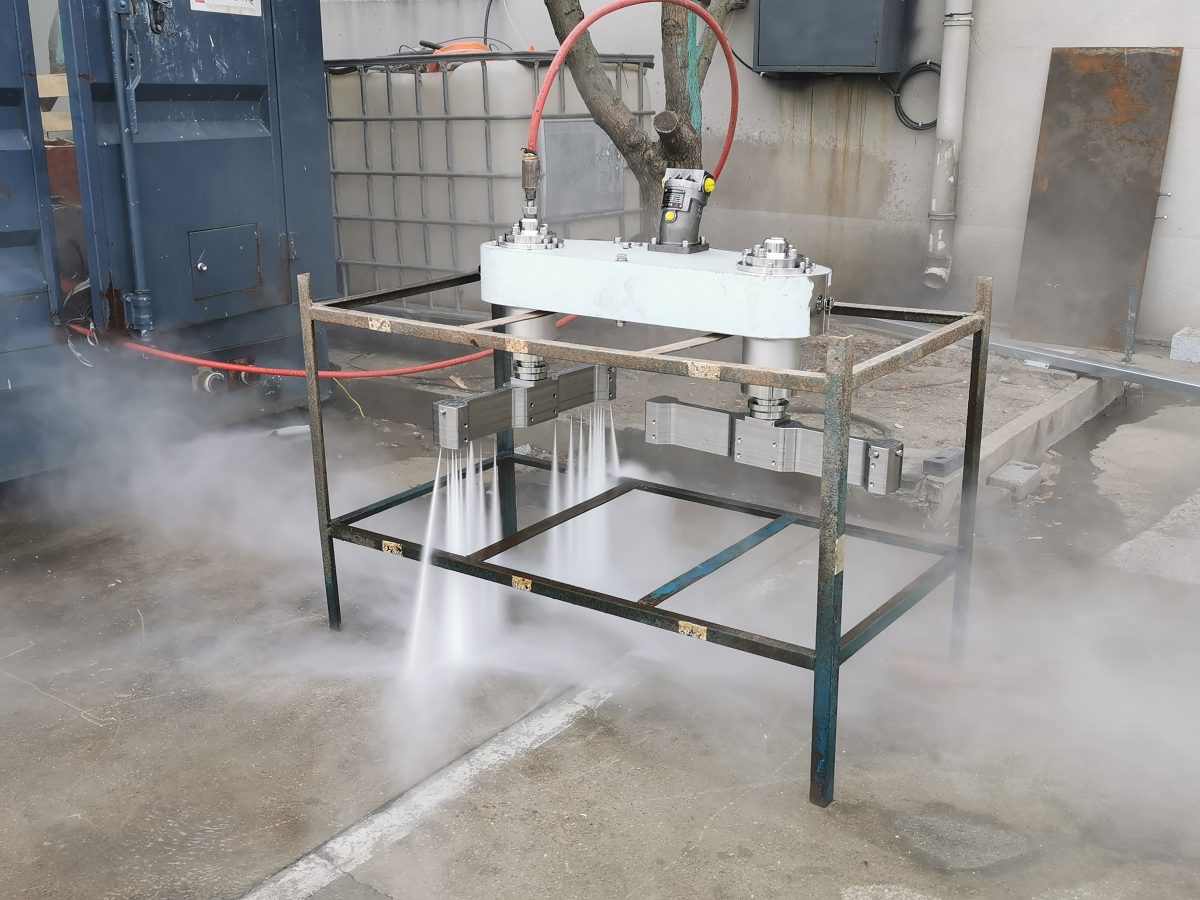
- Deliver competency-based operator training: Ensure all personnel receive standardized, role-specific instruction covering hazard recognition, emergency shutdown protocols (including clearly designated accountability), lockout/tagout procedures,and adherence to manufacturer-specified operating parameters.
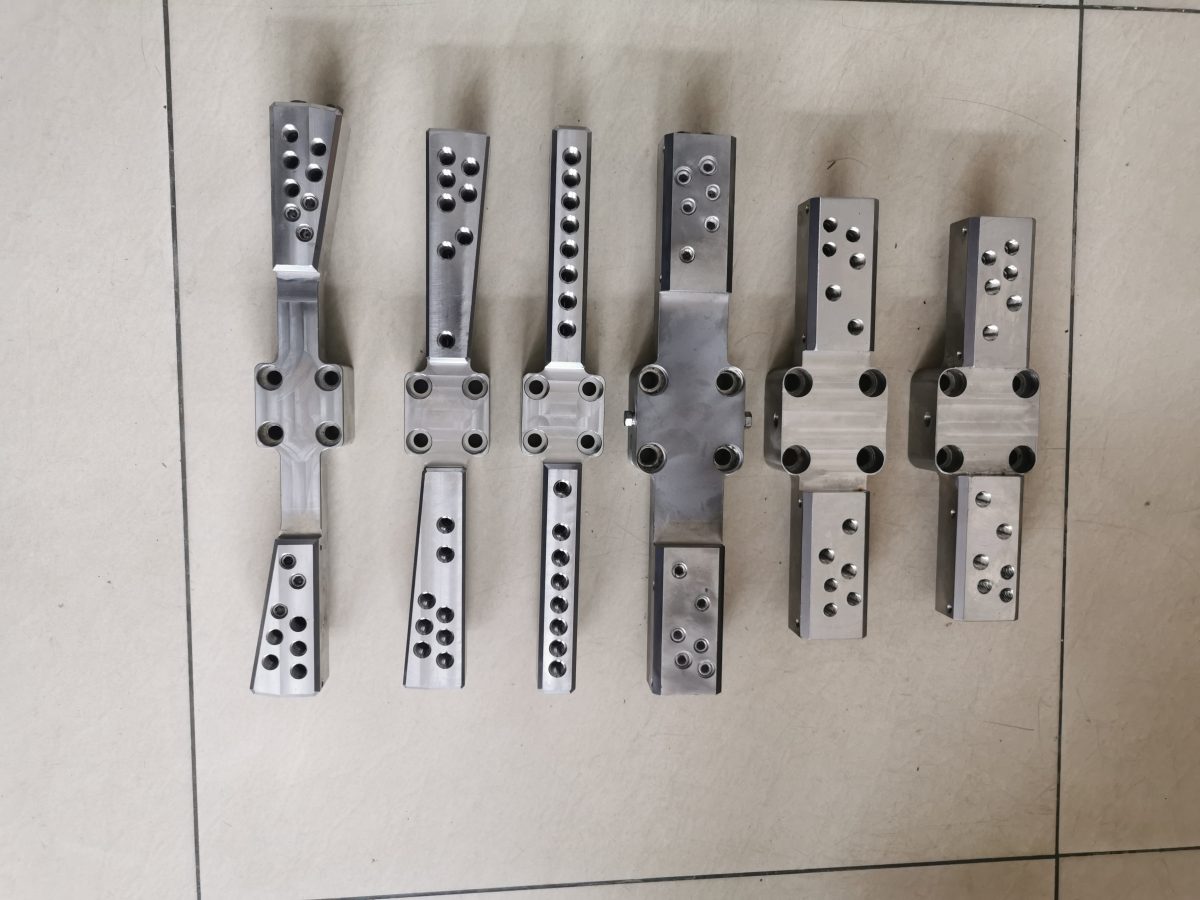
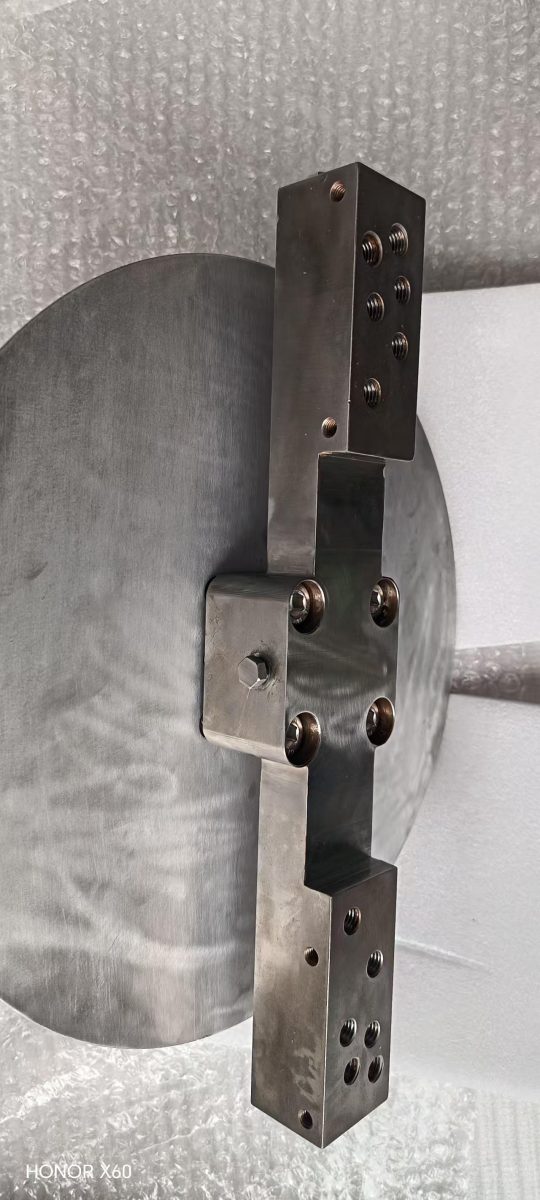
Ultimately, pre-operational safety assurance for ultra-high-pressure water jet systems demands systematic verification—from the pump discharge to the nozzle tip and encompassing the surrounding work environment.
This includes comprehensive record audits, functional testing of safety-critical components, and immediate remediation of nonconformity.
Only through such disciplined, evidence-based practices can operational safety be consistently assured.