UHP high-pressure water jet Construction industry Application wall roughening Surface Preparation Hydro-Jet Head
28 يوليو 2026A Comprehensive Analysis of Safety Awareness &Practices in UHPHydro-Jetting Cleaning Operations
أغسطس 17, 2026In industrial high-pressure Hydro-Blasting cleaning applications,users often overemphasize nominal pump pressure while neglecting the holistic system performance required to achieve optimal cleaning outcomes.
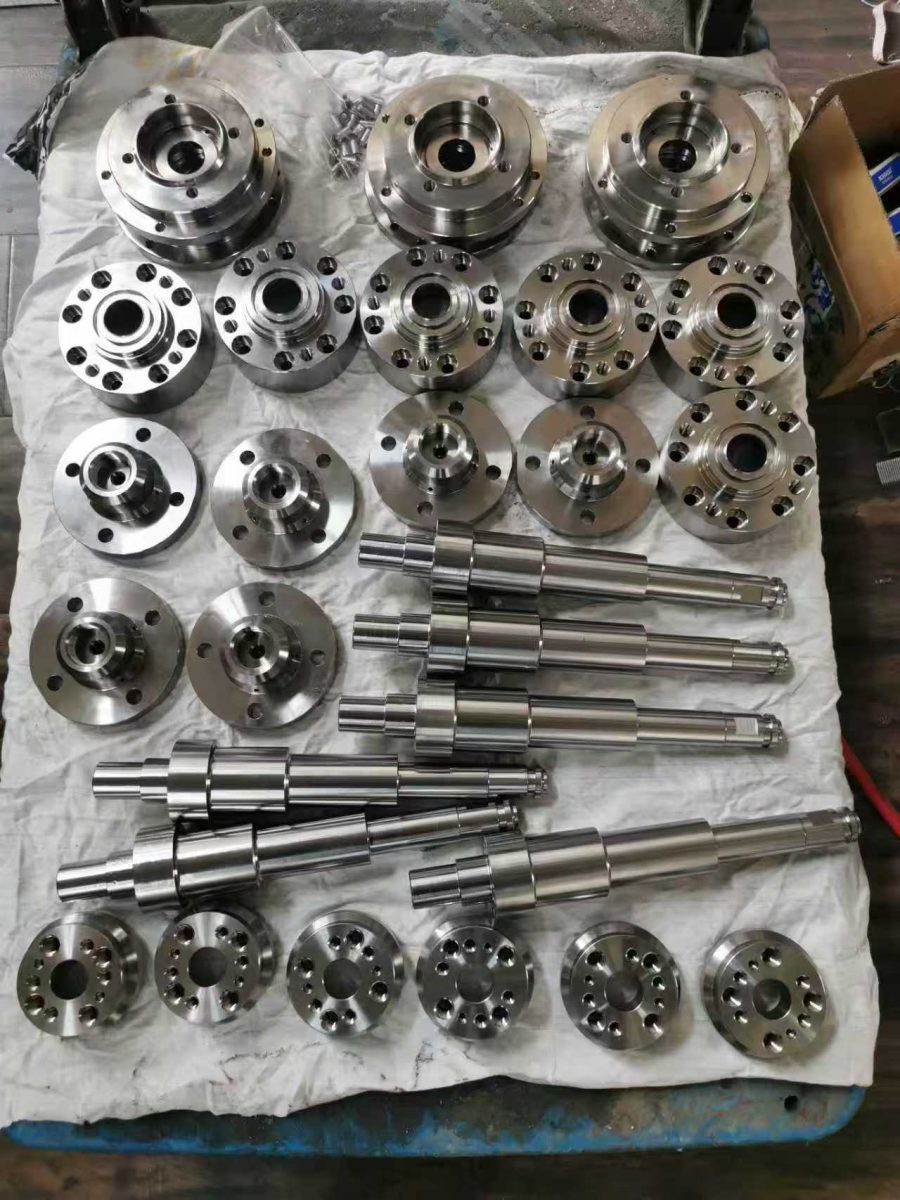
A comprehensive high-pressure water jet solution must consider not only the UHP مضخة مكبس ثلاثية ماء–مسدس rated pressure—typically indicated on its nameplate—but also the actual UHP Water-Blasting operating pressure delivered at the nozzle, which reflects the true working level of the system. Crucially, achieving the desired surface treatment (e.g., cleaning, coating removal, or substrate preparation) depends on multiple interdependent parameters beyond pressure alone.
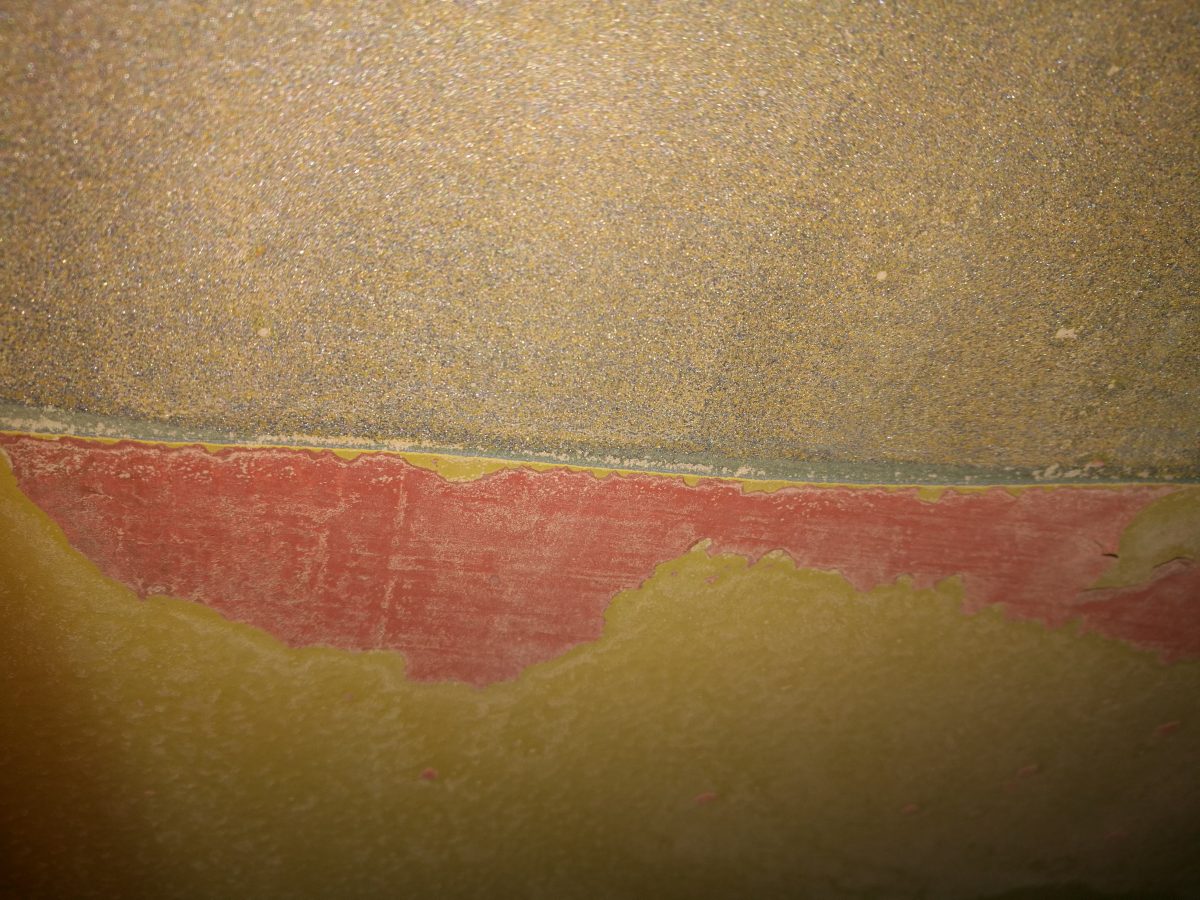
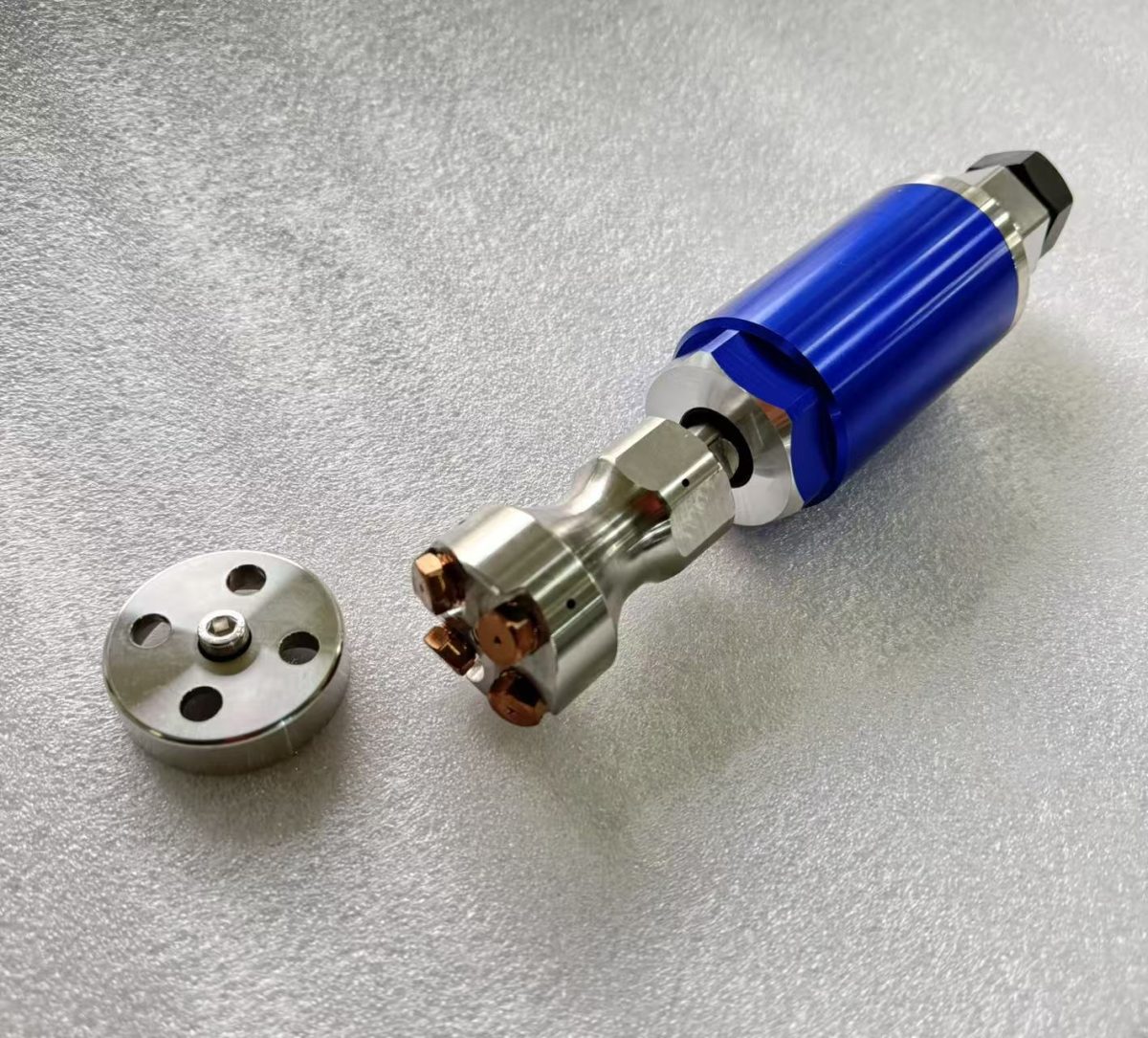
Key operational variables include: مضخة مكبس ثلاثية ماء–مسدس nozzle orifice diameter and spray angle; hose length and internal diameter; tool type and configuration; standoff distance between nozzle and workpiece; and traverse speed during application. Among these, flow rate and nozzle design exhibit the strongest functional correlation; hose length directly influences hydraulic pressure loss due to friction; and tooling selection must be rigorously matched to site-specific conditions. Likewise, standoff distance and traverse speed jointly govern cleaning efficiency, energy density per unit area, and overall process repeatability.
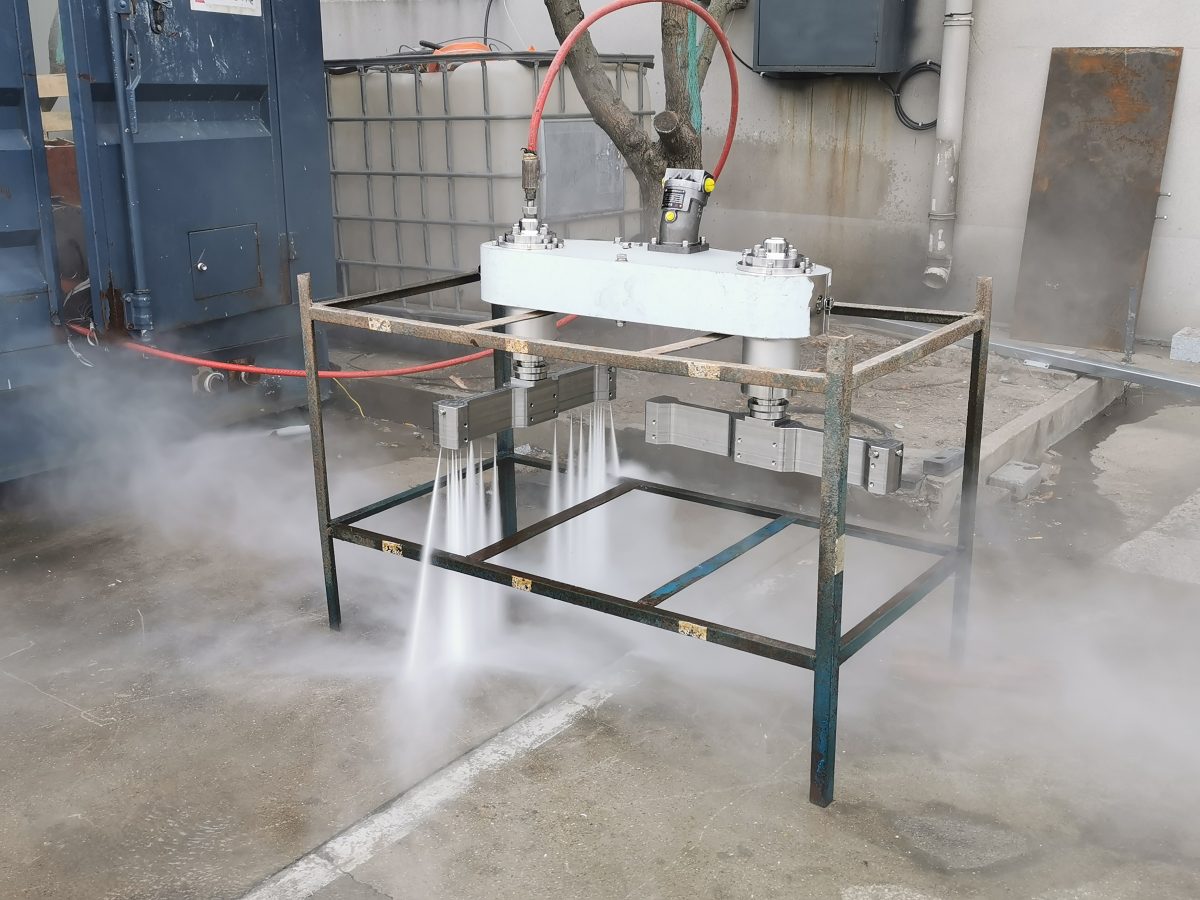
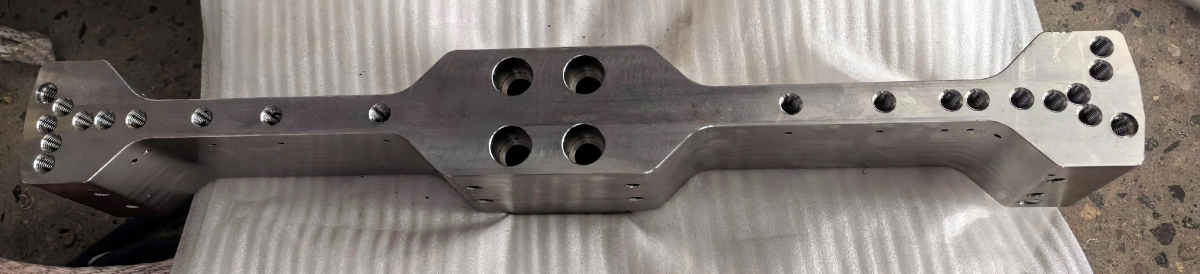
Within a given pressure range, different nozzle types yield markedly distinct flow rates and spray patterns—meaning maximum pump pressure does not equate to effective delivery pressure at the point of application. Actual system capacity is constrained by the weakest link in the hydraulic chain: hose fittings, control valves, and end-effectors may each impose pressure derating. Therefore, the rated working pressure of the entire system—not just the pump—must be verified, with particular attention to the pressure rating of the hose coupling and downstream components. Safety compliance and pressure containment integrity must remain paramount.
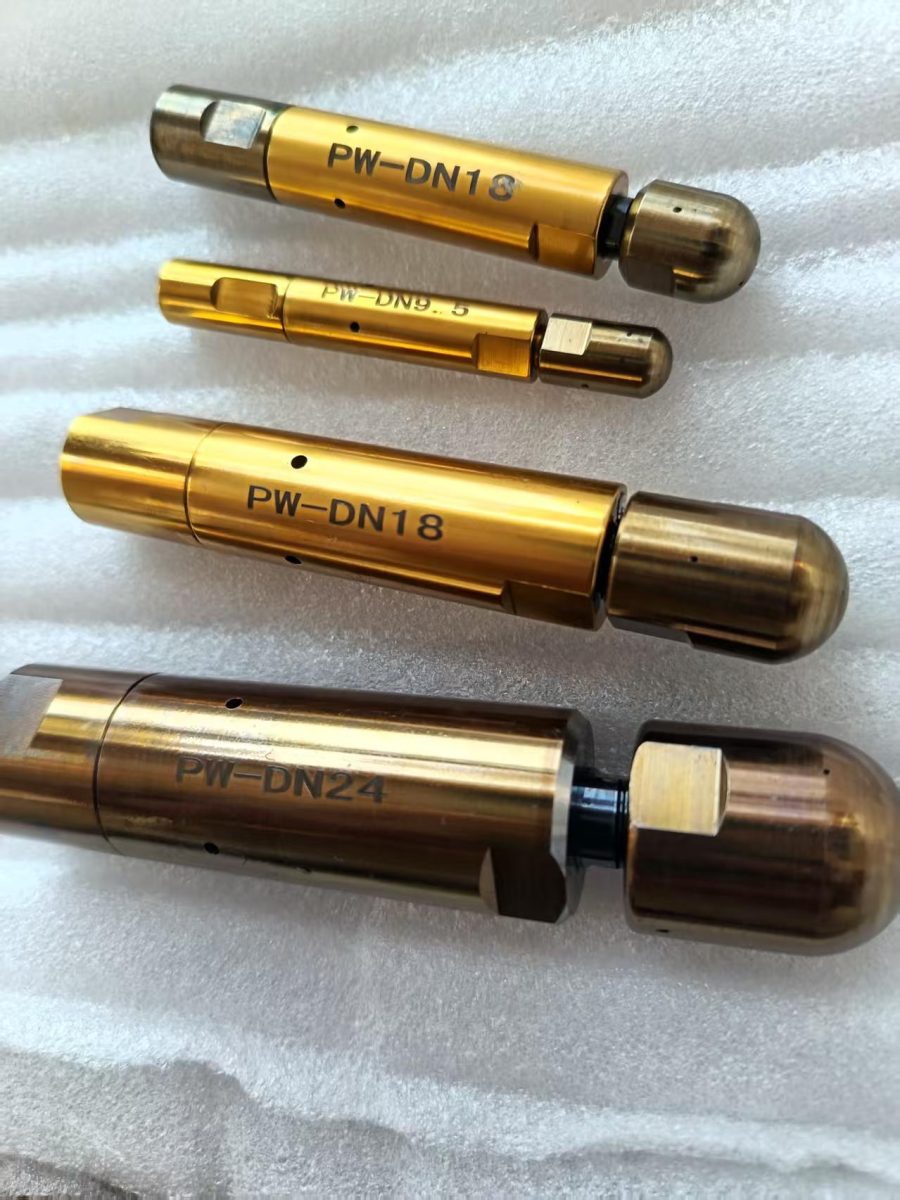
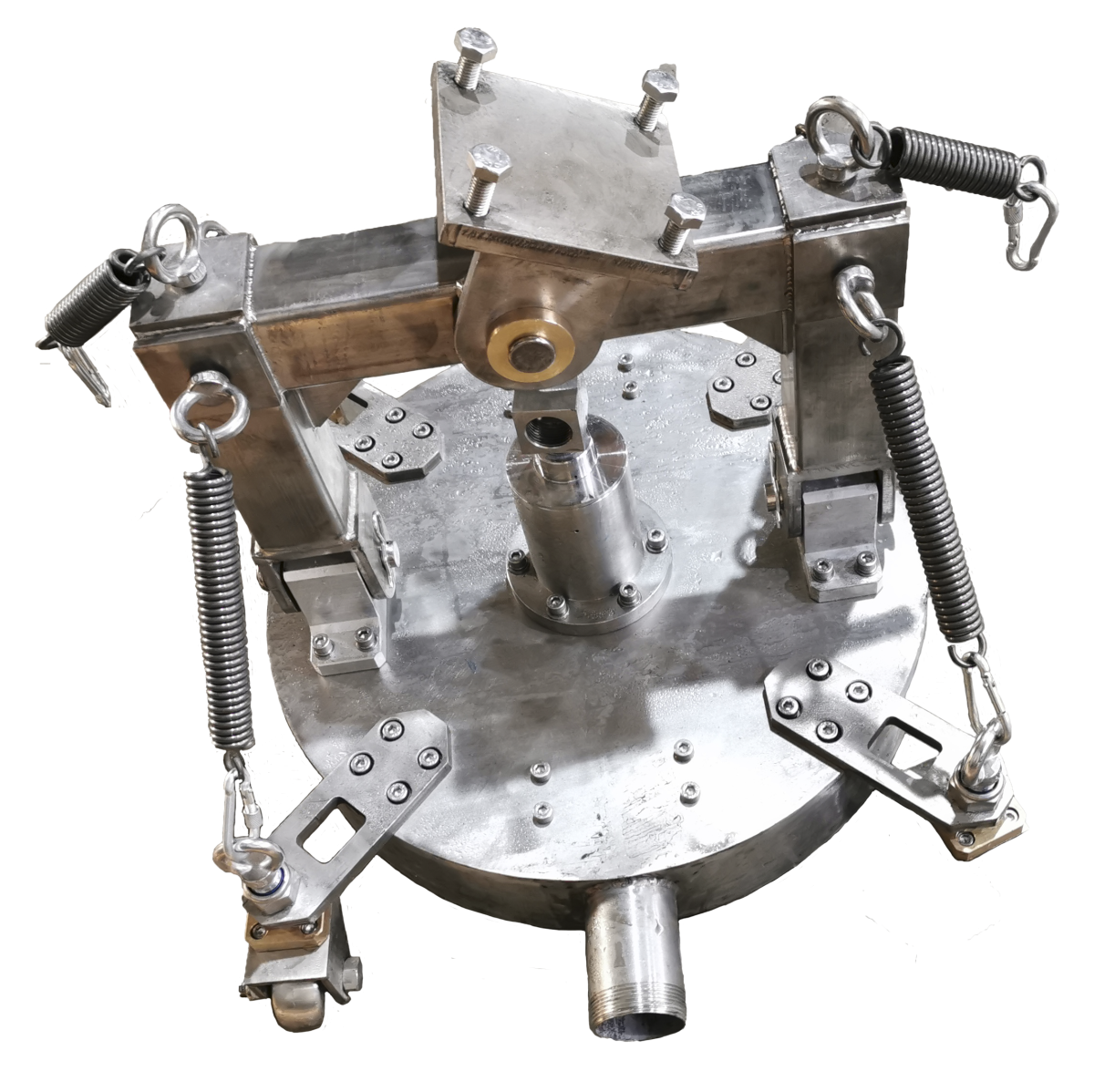
Furthermore, successful implementation requires thorough characterization of both the contaminant profile (e.g., type, adhesion strength, thickness) and the underlying substrate (e.g., material composition, surface roughness, structural integrity), as well as clear, mutually agreed-upon acceptance criteria.
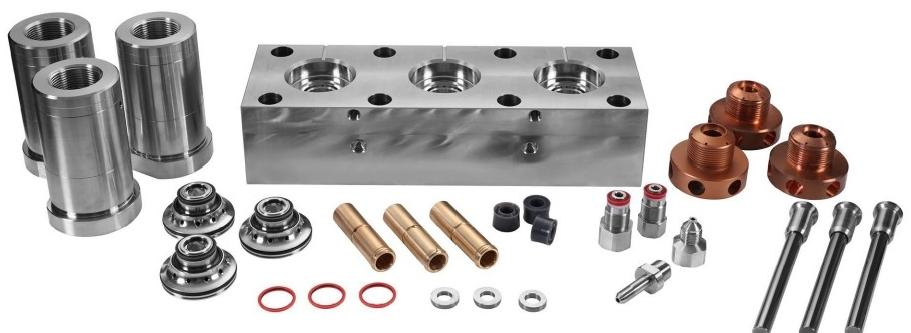
Consequently,simply increasing equipment pressure does not guarantee improved cleaning, stripping, or demolition performance—and may even compromise safety or substrate integrity. To mitigate such risks, contractors must conduct a systematic pre-job assessment addressing the following critical questions:
1. What is the nature and condition of the substrate to be treated?
2. What are the geometric constraints—including access, spatial layout, and confinement—of the work area?
3. Are on-site water supply (quality, volume, pressure) and electrical power (voltage, capacity, grounding) sufficient and compliant with equipment requirements?
4. How will wastewater—potentially containing hazardous residues—be collected, contained, treated, and disposed of in accordance with environmental regulations?
5. What objective, measurable criteria—agreed upon in advance by both contractor and client (or equipment manufacturer)—will serve as the basis for performance verification and project acceptance?
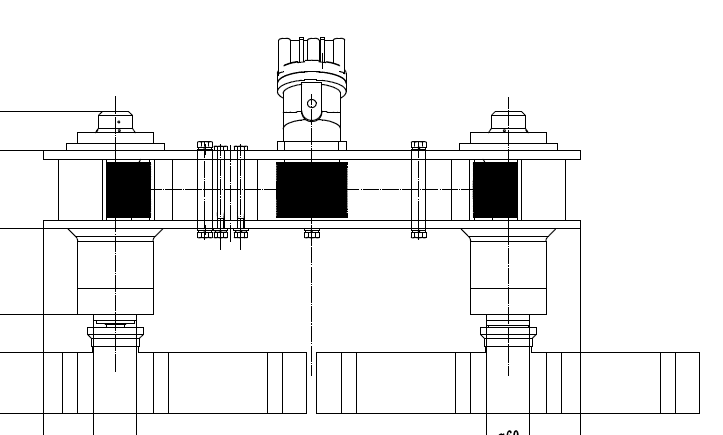
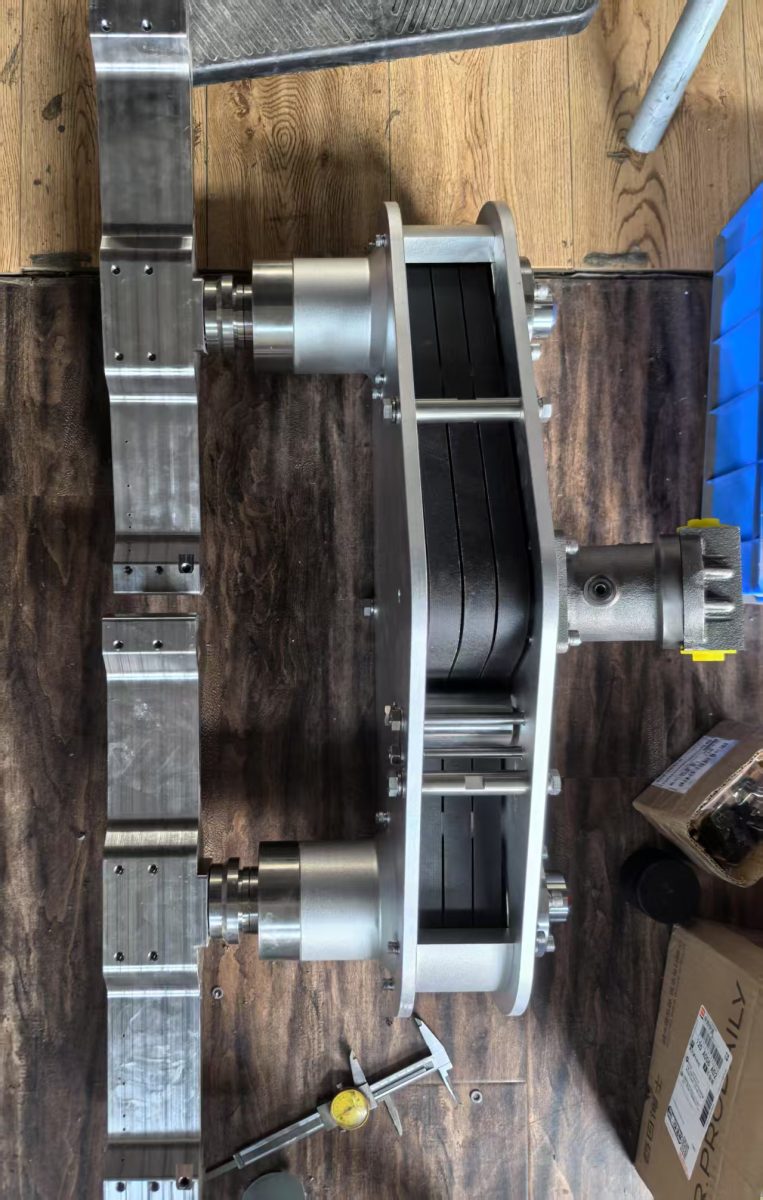
Based on this assessment, contractors must select an appropriate, system-integrated UHP Hydro-jetting آلة النفخ المائي operating envelope: including recommended working pressure and flow rate, optimized nozzle–tool combination, and verified rated capacity across the full high-pressure chain (pump → hose → fittings → nozzle). Where uncertainty exists regarding process efficacy or substrate response, controlled pilot trials and procedural rehearsals are essential prior to full-scale execution.
www.panwinjet.com
