Selection of Heat Exchanger Tube Diameter for High-Pressure& UHP Hydro-Jetting Industrial Cleaning
22 August, 2026
Case Study on the Selection of an Ultra-High-Pressure Heat-Exchange Module and High-Pressure Rotary Nozzle (MVT Type) for Industrial Cleaning Applications
13 September, 2026Experience Sharing on the Construction and Commissioning of Ultra-High-Pressure Industrial Water Jet Cleaning Projects
In the ultra-high-pressure (UHP) industrial water jet cleaning sector, contractors typically execute work with diligence and precision to achieve surface cleanliness. Nevertheless, project commissioning—particularly final acceptance by the client—frequently encounters non-conformance, despite apparent visual cleanliness. A primary contributing factor is the absence of clearly defined, mutually agreed-upon acceptance criteria in the contractual documentation prior to project commencement.
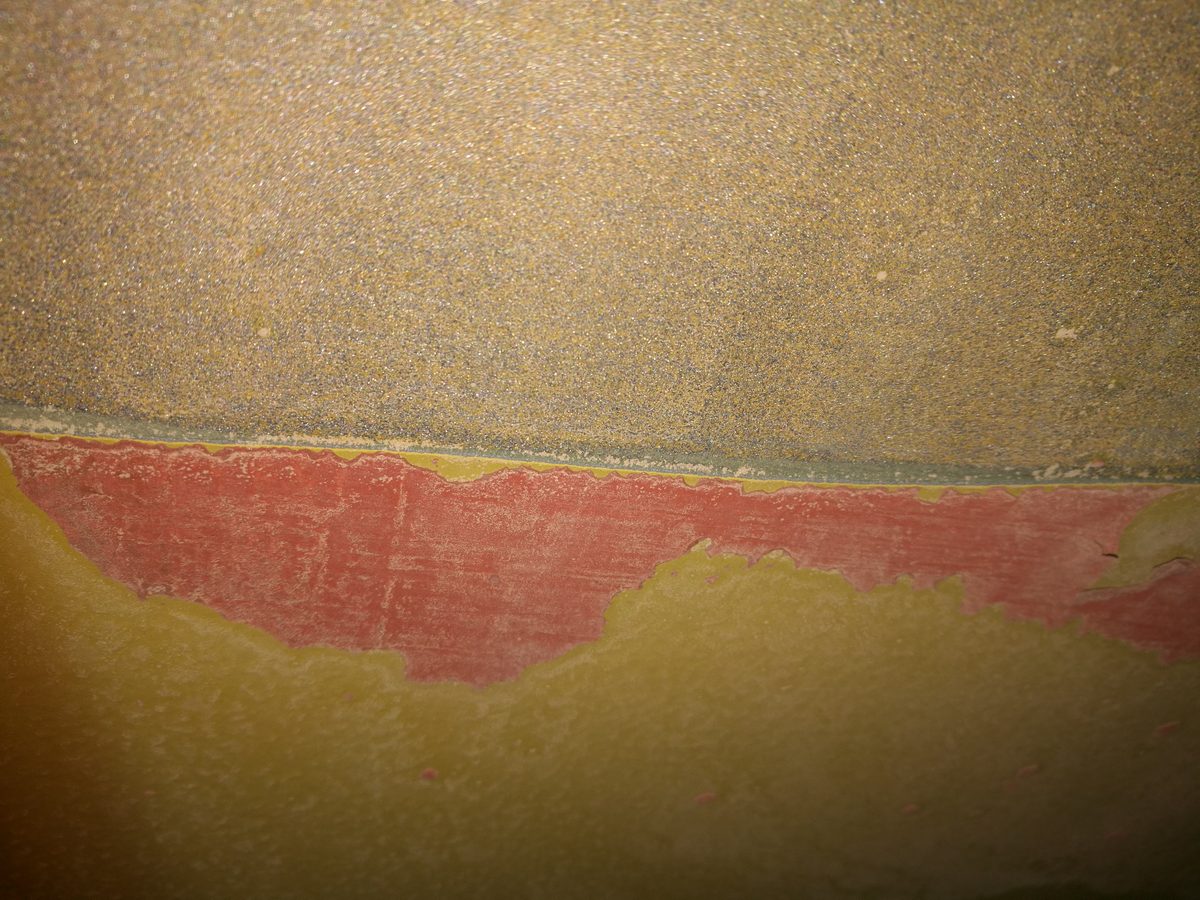
This ambiguity often leads to divergent interpretations of “acceptance readiness.” For instance, following UHP water jet treatment of steel substrates, surfaces may appear visually clean to the naked eye; however, coating system performance requirements—such as surface cleanliness grade, flash rust formation, soluble salt concentration, surface profile compatibility, and residual contamination—may remain unmet. Visual assessment alone is insufficient: it addresses only macroscopic appearance, whereas functional coating adhesion and long-term durability depend critically on quantifiable, testable parameters.
The AMPP (Association for Materials Protection and Performance) standards for water jet surface preparation classify visible cleanliness into discrete grades (e.g., WJ1–WJ4), each corresponding to progressively more rigorous removal of contaminants and mill scale. Crucially, these visual grades do not prescribe limits for invisible contaminants—such as chlorides, sulfates, or ferrous ions—or specify permissible flash rust severity or acceptable surface profile retention for subsequent coating application.
Moreover, post-cleaning surface appearance can evolve rapidly due to environmental exposure (e.g., humidity-induced flash rusting), further complicating subjective evaluation. When contractual scope merely stipulates “high-pressure water cleaning” without referencing standardized acceptance metrics, discrepancies inevitably arise—not from equipment capability limitations, but from misaligned expectations rooted in undefined completion criteria.
Drawing upon extensive field experience, industry best practices (including AMPP RP01-22 and ISO 8501-4), and owner-driven performance requirements, we recommend a structured, four-element acceptance framework:
1. Specified visual cleanliness grade (e.g., WJ3 per AMPP);
2. Defined allowable flash rust condition (e.g., “no visible rust after ≤2 hours of ambient exposure”);
3. Quantitative testing requirements for soluble salts (e.g., ≤20 µg/cm² NaCl equivalent, measured per ISO 8502-6/9) and other invisible contaminants;
4.Surface condition prerequisites for coating application—including profile depth, peak count, and absence of embedded debris or residual inhibitors.
Additionally, acceptance protocols must explicitly define inspection timing (e.g., within 1 hour post-cleaning, prior to flash rust onset), mandate photographic documentation of representative areas, and outline corrective actions—including re-cleaning methodology and re-inspection criteria—for non-conforming surfaces. Critically, visual cleanliness serves only as one evidentiary component—not a standalone acceptance criterion—within a comprehensive, performance-based verification system.